
Many parents wonder when the right time is to start swim lessons for their child. Is it better to wait until they’re older, or should kids start learning early?
The truth is that children can begin building water familiarity and safety skills much earlier than most people think. Starting swim lessons at the right time can help children develop confidence in the water while learning essential safety skills that can last a lifetime.
In this guide, we’ll walk through the best time to introduce swim lessons and what skills children typically learn at each stage.
Why Swim Lessons Matter Early
Water safety is one of the most important life skills a child can learn. According to safety experts, drowning is one of the leading causes of accidental injury for children.
Swim lessons don’t just teach kids how to swim — they help children learn how to stay calm in the water, float, and safely navigate pools, lakes, and other environments.
Starting early can also help children feel more comfortable in the water as they grow.
Swim Lessons by Age
Infants (6–12 Months)
While infants are not developmentally ready to swim independently, this is a great age to begin water introduction classes.
Lessons at this age focus on:
Water comfort
Gentle submersions
Parent-child bonding in the pool
Getting used to floating and kicking
The goal is not swimming yet — it’s building comfort and familiarity with water.
Toddlers (1–3 Years)
This is often when children begin learning foundational water skills.
Swim lessons for toddlers focus on:
Back floating
Blowing bubbles
Basic kicking
Entering and exiting the pool safely
Learning to move toward the wall
Many toddlers begin building independence in the water during this stage.
Preschoolers (3–5 Years)
This age is often considered the sweet spot for learning to swim.
Children typically have:
better listening skills
stronger coordination
increased confidence
Skills often taught include:
Independent floating
Front and back kicking
Basic arm movements
Rolling from front to back
Beginning freestyle
Many children become independent swimmers during these years.
Early Elementary (5–7 Years)
Children in this age group often refine their skills and build endurance.
Swim lessons focus on:
Stroke development
Breathing techniques
Water safety awareness
Treading water
Swimming longer distances
By this stage, children can become strong and confident swimmers with proper instruction.
Signs Your Child Is Ready for Swim Lessons
While age is helpful, readiness matters too. Your child may be ready for swim lessons if they:
Show curiosity about water
Are comfortable being in the pool
Can follow basic instructions
Enjoy physical activity
Are able to participate in a structured class
Every child develops at their own pace, and swim lessons can be adapted to meet them where they are.
Tips for Choosing the Right Swim Program
Not all swim programs are the same. When looking for swim lessons for your child, consider:
Small class sizes
experienced instructors
a focus on water safety
age-appropriate teaching methods
a positive, encouraging environment
A good swim program will prioritize both skill development and confidence.
The Bottom Line
Children can begin learning about water safety and swimming much earlier than many parents expect. Whether your child is a toddler getting comfortable in the water or a preschooler learning to swim independently, swim lessons provide skills that last a lifetime.
Starting early helps children develop confidence, safety awareness, and a lifelong love of swimming.
If you’re considering swim lessons for your child, the best time to start is when they’re ready to learn and explore the water in a safe and supportive environment.
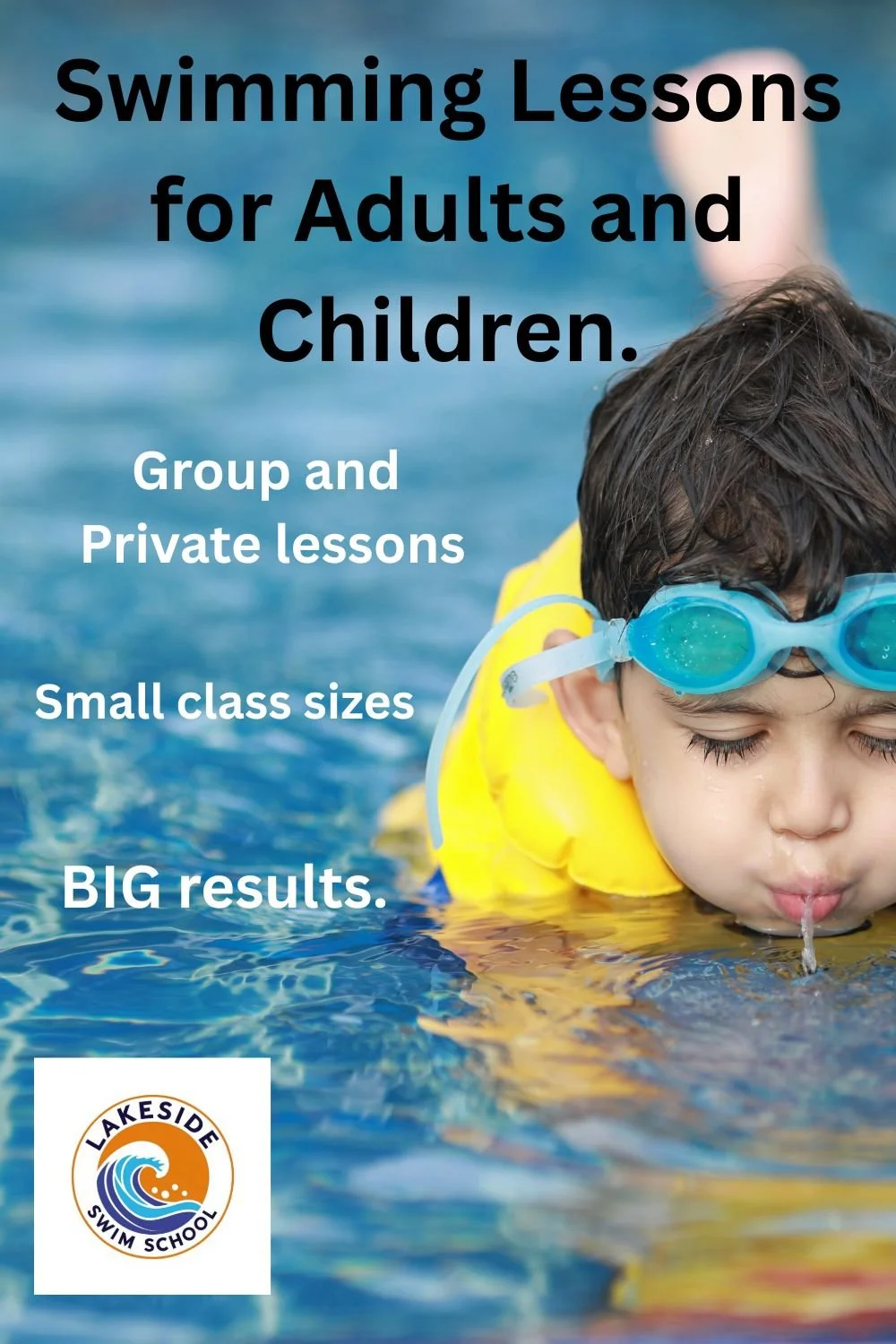
At Lakeside Swim School, we often see children gain confidence in the water much faster when lessons focus on both safety and fun. Our goal is to help kids feel comfortable and capable in the water while developing strong swimming fundamentals. That is one of the reasons we keep class sizes small.
Have questions? Reach out today! 312-718-8614.